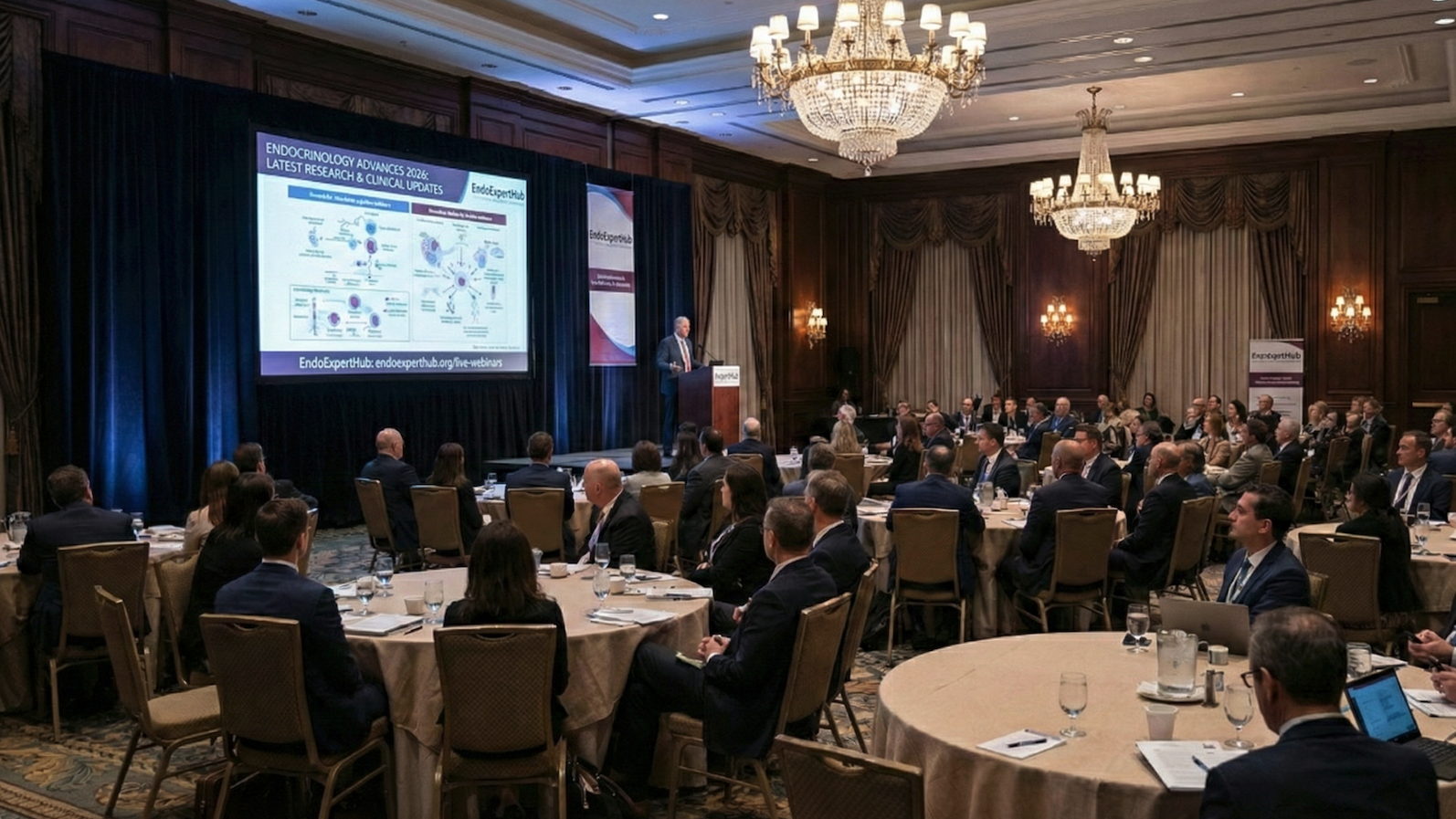
Join live meetings with leading Clinicians and Researchers. Submit questions about cases and disease management.
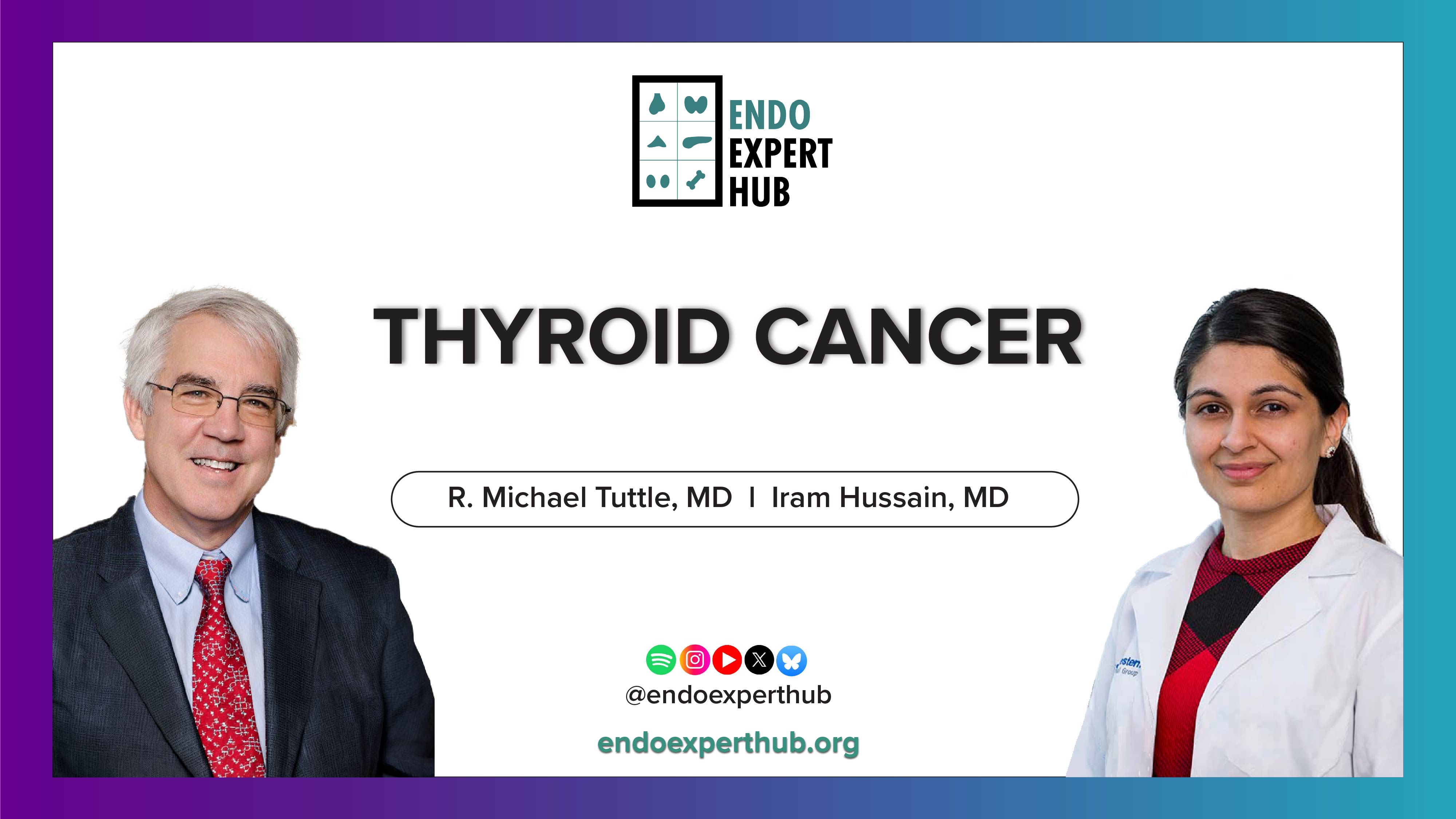
R. Michael Tuttle, MD, and Iram Hussain, MD, give an insightful case discussion on thyroid cancer, exploring the management of low-risk papillary thyroid carcinoma. Through real-world cases, they discuss active surveillance, the role of radioactive iodine following thyroidectomy, and the clinical significance of positive microscopic margins and extrathyroidal extension. The cases highlight how tumor characteristics, postoperative thyroglobulin, ultrasound findings, lymph node involvement, and recurrence risk can guide individualized treatment decisions.
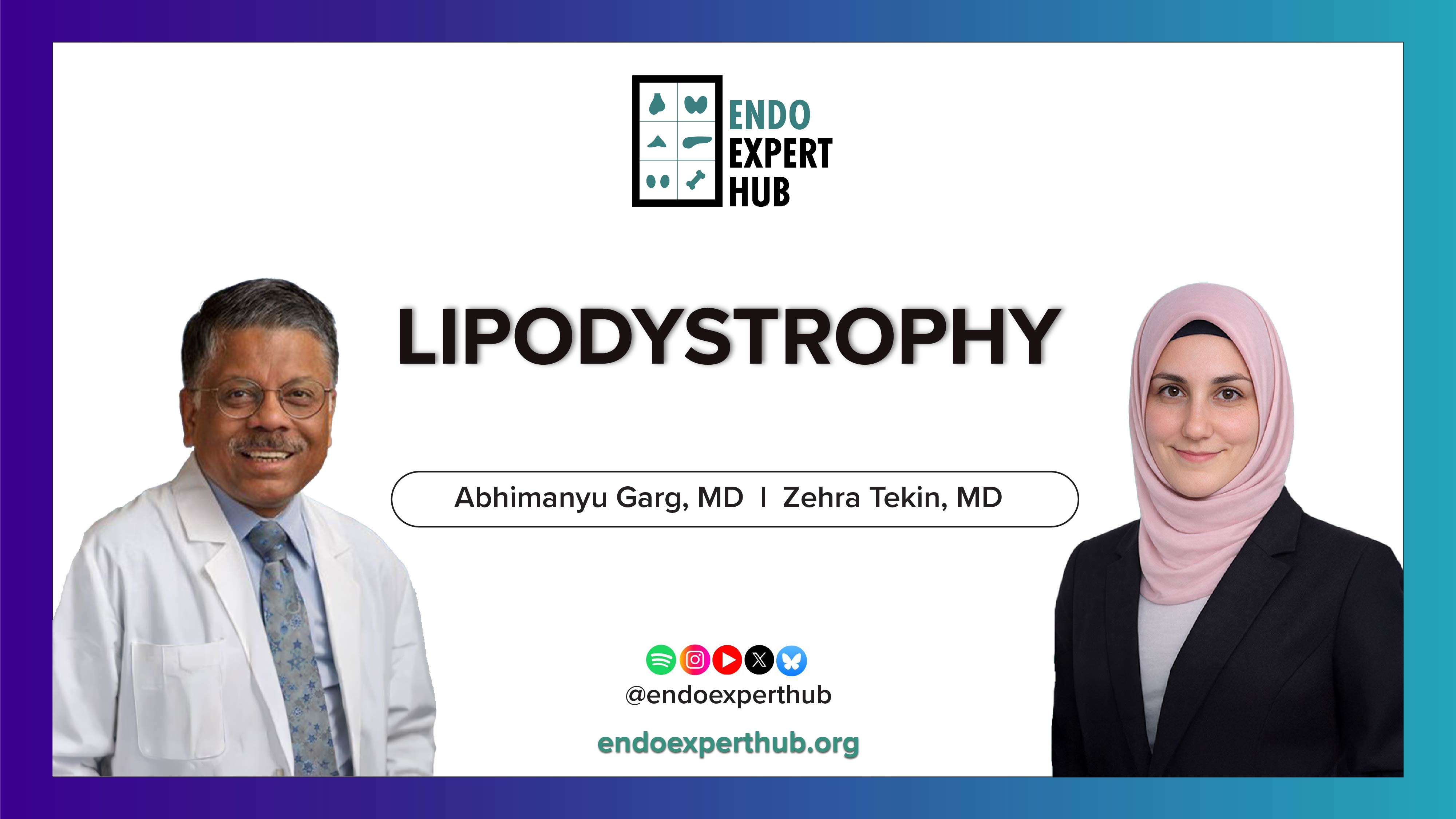
Abhimanyu Garg, MD, and Zehra Tekin, MD, give an insightful case discussion on lipodystrophy. Learn how to diagnose and treat this endocrine disorder.
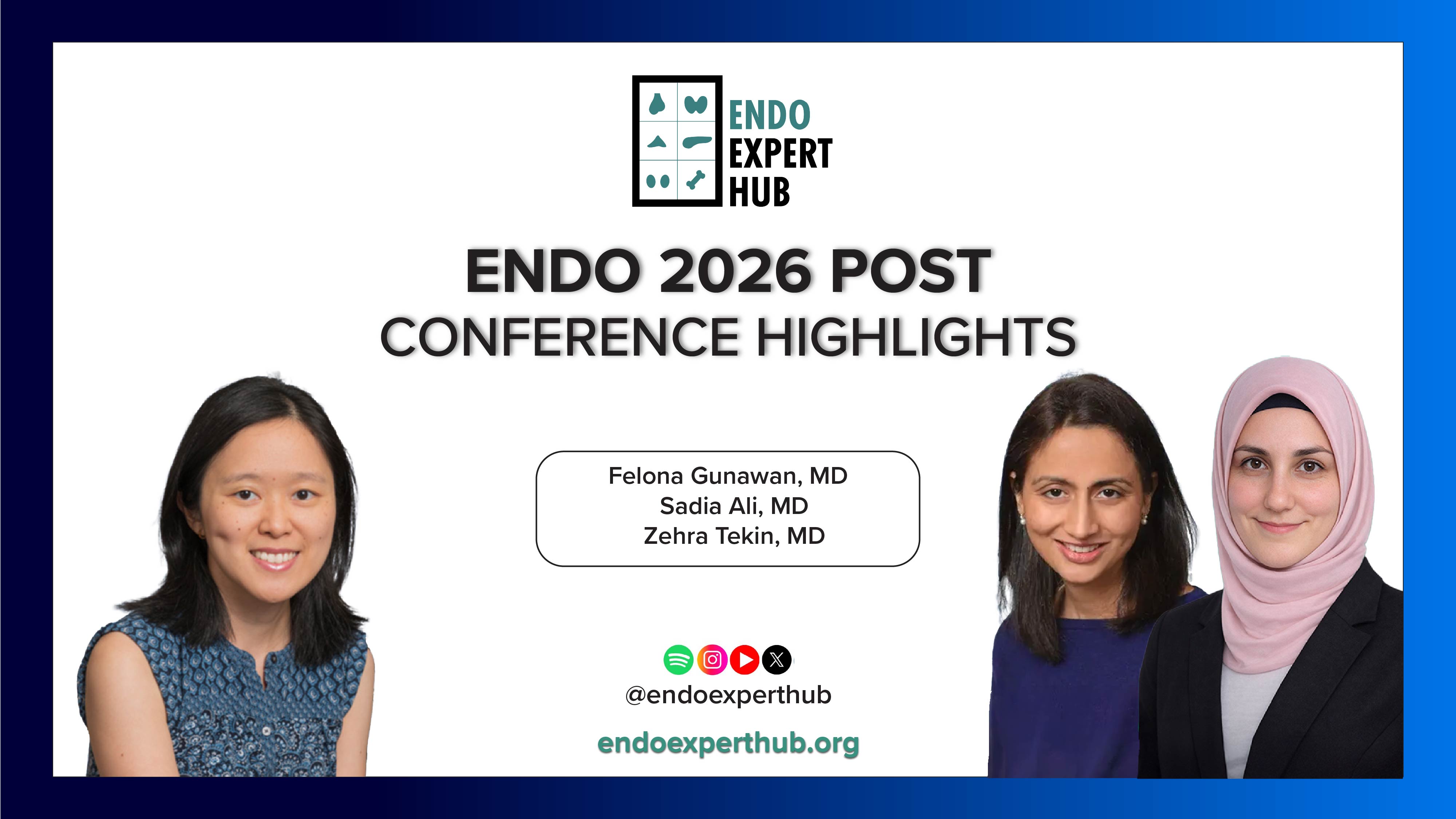
Endo 2026 Post Conference Updates feature expert commentary and discussion led by Zehra Tekin, MD, Felona Gunawan, MD, and Sadia Ali, MD. This program highlights key clinical and scientific advances presented at ENDO 2026, focusing on the latest research, evidence-based management strategies, and emerging therapies across the spectrum of endocrinology, diabetes, metabolism, and hormone-related disorders. The session provides in-depth analysis of late-breaking abstracts, landmark clinical trial updates, and evolving treatment approaches, with faculty drawing on their expertise to contextualize these findings for clinical practice. Attendees gain an understanding of emerging standards of care, innovative therapeutic developments, and important areas of ongoing research presented at ENDO 2026. Through expert discussion and practical clinical perspectives, ENDO 2026 Post Conference Highlights serves as a concise, high-yield review for clinicians, trainees, and researchers seeking to incorporate the most impactful discoveries from ENDO 2026 into their clinical practice and scholarly activities.
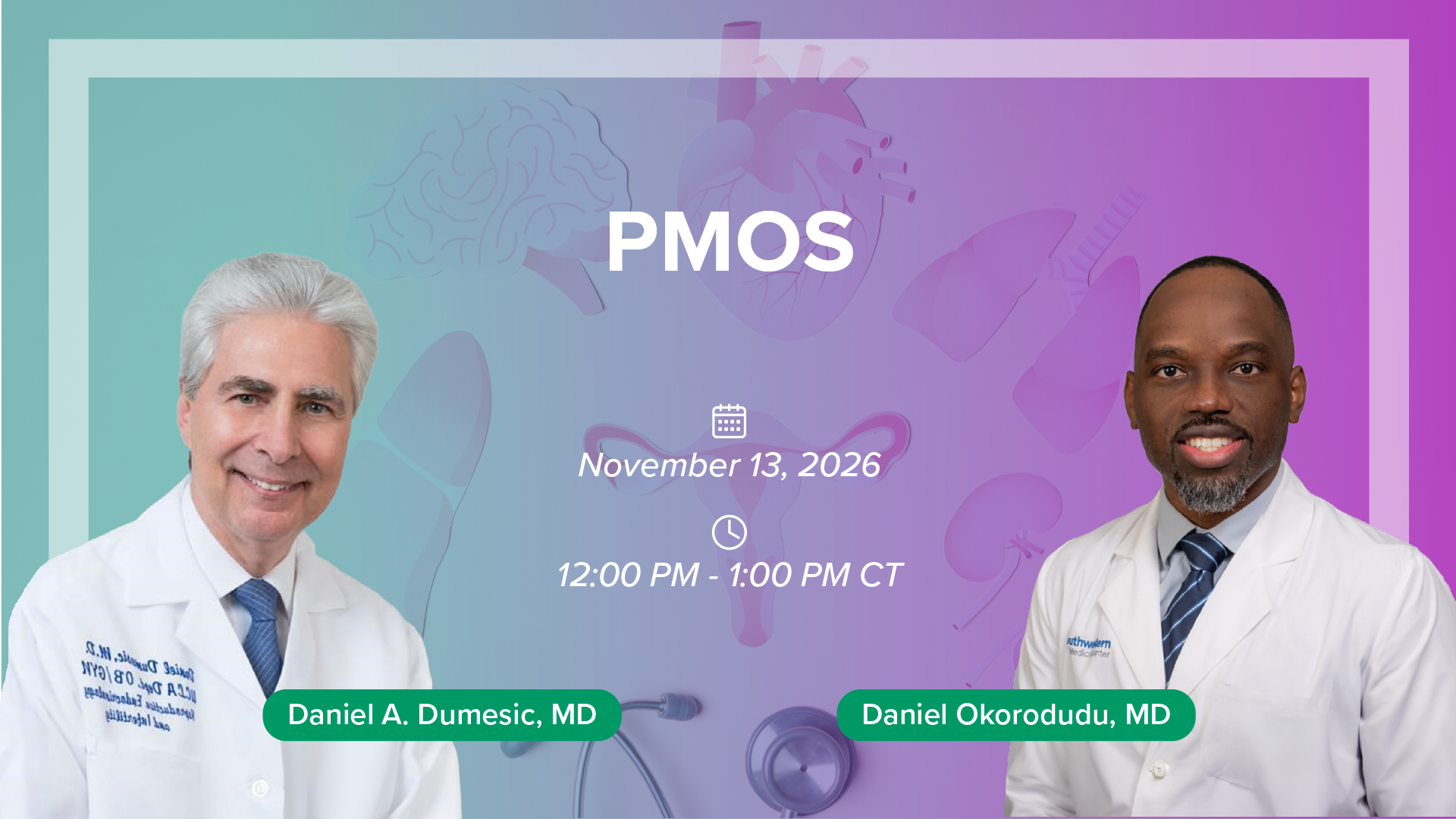
Daniel A. Dumesic, M.D. is a Professor and Division Chief of Reproductive Endocrinology and Infertility in the Department of Obstetrics and Gynecology at the University of California, Los Angeles. He is affiliated with Ronald Reagan UCLA Medical Center and UCLA Medical Center-Santa Monica, where his clinical practice centers on female infertility, in vitro fertilization, and polycystic ovary syndrome. He serves as a member of the Practice Committee of the American Society for Reproductive Medicine and is a Fellow of the American College of Obstetricians and Gynecologists and a member of the Endocrine Society. Daniel A. Dumesic, MD earned his medical degree from the University of Wisconsin School of Medicine and Public Health and completed his residency in Obstetrics and Gynecology at the University of Minnesota. He went on to complete a fellowship in Reproductive Endocrinology and Infertility at the University of California, San Francisco. He is board-certified by the American Board of Obstetrics and Gynecology in both Obstetrics and Gynecology and Reproductive Endocrinology and Infertility. Daniel A. Dumesic, MD's research focuses on the mechanistic and clinical dimensions of female reproductive disorders, with particular emphasis on polycystic ovary syndrome and its metabolic consequences. His investigations have examined the role of androgen excess in adipogenic dysfunction in PMOS, the paracrine regulation of oocyte competence, and the interplay between body fat distribution, cortisol, and testosterone in affected women. He has served as Principal Investigator on multiple NIH-funded and university-awarded projects and has published over 200 papers in the field of reproductive endocrinology. His work spans both human clinical studies and translational research, and he has been an active contributor to NIH research study sections and committees throughout his career. In addition to his research, Daniel A. Dumesic, MD is widely recognized for his contributions to the field. He has received the Mayo Award for Excellence in Leadership and is a nine-time recipient of the American Society for Reproductive Medicine's Star Award, given for more than ten years of sustained contributions to research. Stanford University has ranked him within the top 2% of all scientists in clinical medicine globally. He has also been honored with the Ricardo Azziz Distinguished Researcher Award from the Androgen Excess and PMOS Society and has been named a Top Doctor in Southern California.
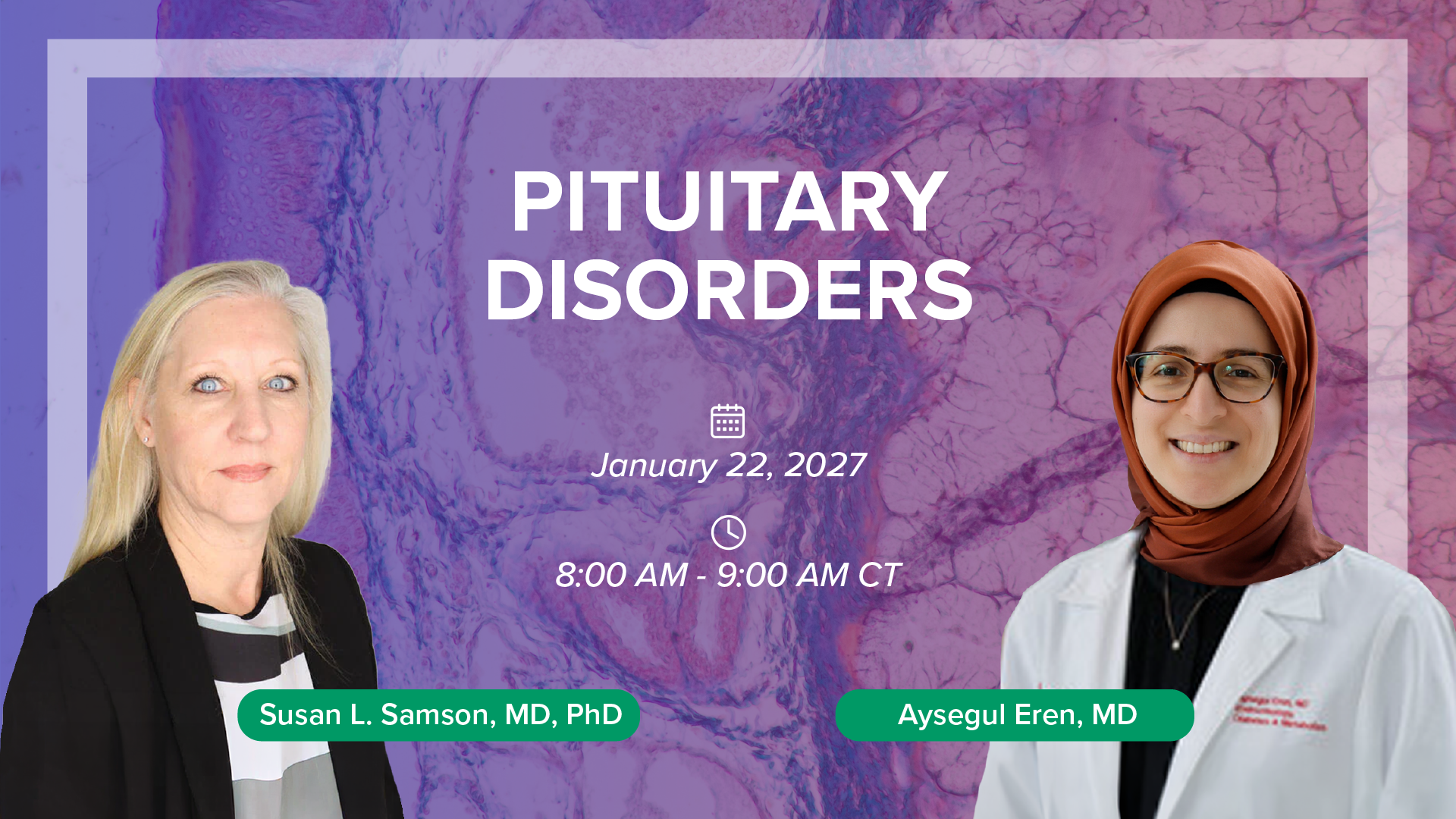
Susan L. Samson, M.D., Ph.D., FRCPC, FACE is a Professor of Medicine and Chair of the Division of Endocrinology, Diabetes, and Metabolism, with a cross appointment to the Department of Neurologic Surgery. She specializes in pituitary disorders and currently practices at Mayo Clinic. Susan L. Samson, M.D., Ph.D., FRCPC, FACE earned her medical degree in Canada, where she is a Fellow of the Royal College of Canada in Internal Medicine and Endocrinology. She completed her endocrinology training at Baylor College of Medicine and MD Anderson Cancer Center, where she subsequently served as Co-director of the Baylor St. Luke's Pituitary Center and Director of the Endocrinology Fellowship Program, training more than 60 fellows over the course of her tenure. Her clinical and research interests center on the diagnosis and management of pituitary disorders, including pituitary tumors, acromegaly, Cushing's syndrome and disease, prolactinomas, craniopharyngiomas, hypopituitarism, and pituitary cysts, inflammation, and infiltration. She has served as site principal investigator and international steering chair for clinical trials in acromegaly and Cushing's disease, and is a co-author on consensus documents for the diagnosis and management of acromegaly, growth hormone deficiency, and Cushing's syndrome. She also co-edited and co-authored the book Pituitary Disorders Throughout the Lifecycle, published by Springer Nature. In addition to her clinical and research contributions, Susan L. Samson, M.D., Ph.D., FRCPC, FACE has held numerous leadership roles in organized medicine. She served as the 2024 President of the American Association of Clinical Endocrinology and has contributed to AACE committees including as Chair of Endocrine University and the AACE Annual Meeting. She has also served on national bodies including the American Board of Internal Medicine, the Accreditation Council for Graduate Medical Education, and the American Program Directors of Endocrinology and Metabolism. During her time at Baylor College of Medicine, she was recognized with the Fulbright and Jaworski Faculty Excellence Award for Teaching and Evaluation, the Rising Star Award, and the Woman of Excellence Award.
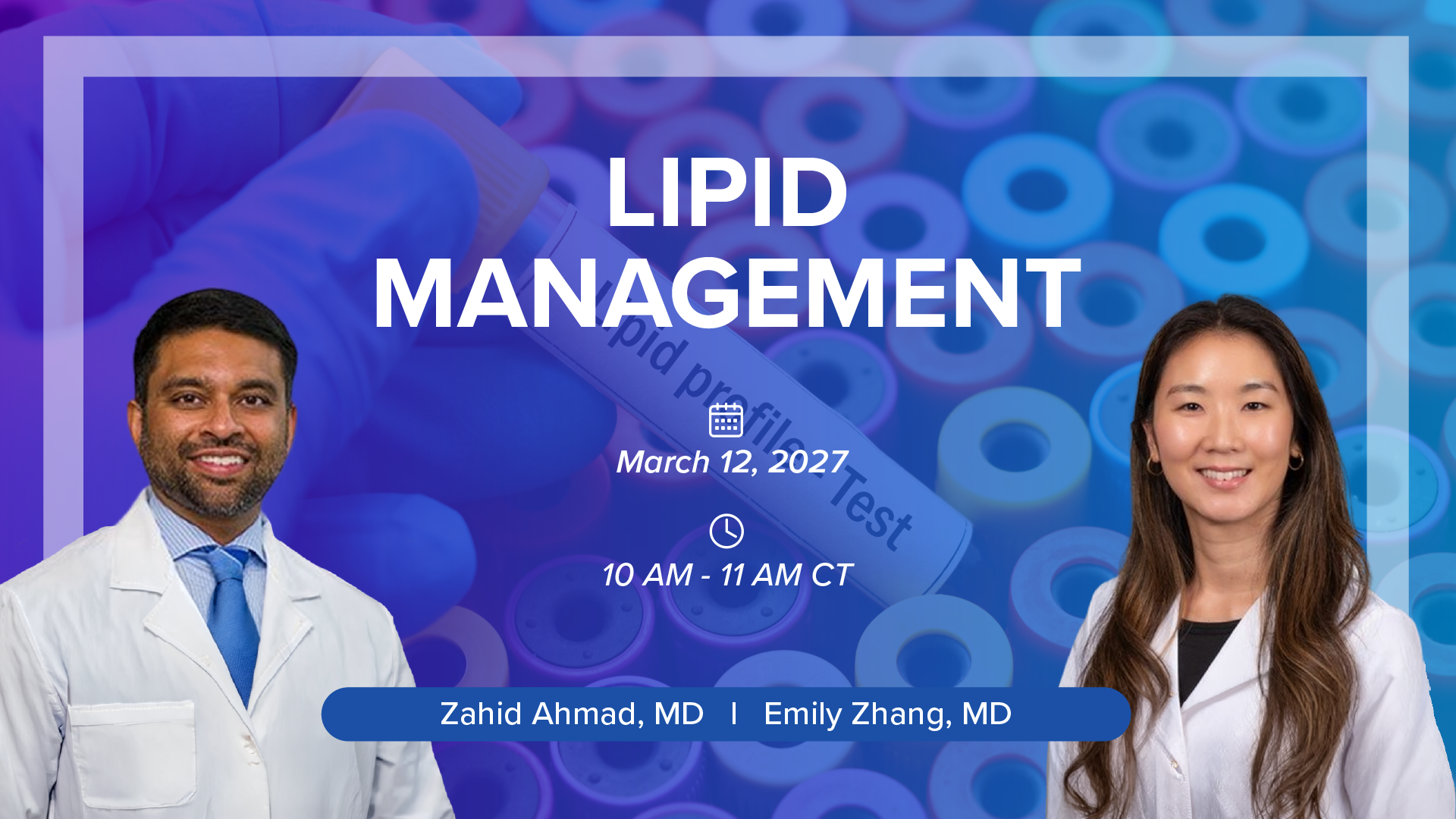
Zahid Ahmad, M.D., is an Associate Professor in the Division of Endocrinology at UT Southwestern Medical Center. Dr. Ahmad’s clinical and investigative focus is lipid metabolism disorders, including dyslipidemia, chylomicronemia, and familial hypercholesterolemia (FH). His research aims to identify the causes of cholesterol and triglyceride disorders and to develop new treatment options for patients who suffer from them. Funded by the National Institutes of Health, Dr. Ahmad and his colleagues currently are working to identify families with these conditions in an effort to better understand their underlying genetic causes – and, ultimately, to improve patient outcomes. Dr. Ahmad has published a number of scholarly articles and delivered many invited lectures. He joined the UT Southwestern faculty in 2010 and is American Board of Internal Medicine-certified in internal medicine, endocrinology, metabolism, and diabetes. Dr. Ahmad earned his medical degree at the Tulane University School of Medicine. He completed both a residency (internal medicine) and a fellowship (endocrinology and metabolism) at UT Southwestern Medical Center – training in cholesterol metabolism and genetics with mentors Drs. Abhimanyu Garg, Scott Grundy, and Helen Hobbs. He also holds a B.S. in biomedical engineering from the Tulane University School of Engineering. Active in the FH Foundation, Dr. Ahmad also is a member of professional organizations that include the American Heart Association, Endocrine Society, National Lipid Association, and American Association of Clinical Endocrinologists.